Patriotic: A Stacked Display Font for Bold, Modern Designs
Independence Day isn't just a date on the calendar; it's a feeling. It's the crackle of fireworks, the smell of backyard barbecues, and a wave of pride that ripples through communities. Capturing that energy in a design project requires more than just red, white, and blue—it demands typography that stands tall and speaks volumes. That's where a typeface like Patriotic comes in, offering a contemporary stacked format that transforms ordinary text into a visual statement.
Understanding the Visual Impact of Stacked Typography
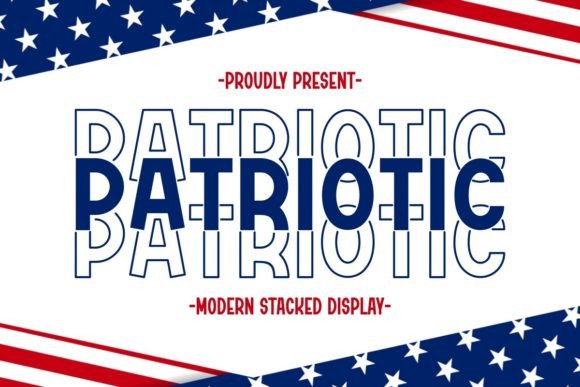
When we talk about a "stacked" display font, we are referring to a design style where characters are often arranged or intended to be used in a way that emphasizes vertical height and density. Unlike standard body text, which flows linearly, display fonts like Patriotic are built for hierarchy. They are the loudspeaker of the font world. This particular typeface embraces a bold, striking aesthetic that commands attention immediately. It doesn't whisper; it announces.
The visual appeal lies in its ability to convey modernity while still honoring traditional themes. Many decorative fonts can feel kitschy or outdated, but a clean, stacked design feels fresh and relevant. It bridges the gap between nostalgic celebration and contemporary design trends. For a small business owner or a content creator, this means you can evoke a sense of tradition without looking like you pulled a graphic from a clipart library from 1998.
From T-Shirts to Tote Bags: Merchandise and Print
One of the most practical applications for a typeface with this much personality is merchandise. If you are running an Etsy shop, managing a small boutique, or organizing a local event, physical products are often the goal. The "Patriotic" style is engineered for items like t-shirts, tote bags, and throw pillows.
Why does it work so well here? It comes down to legibility and impact at a distance. A script font or a delicate serif font might look beautiful on a computer screen, but once it’s printed on a cotton t-shirt and viewed from five feet away, it often turns into a visual blur. A bold display font, however, retains its shape. The thick strokes and strong structure ensure that your message—whether it's a quote about freedom or a simple "USA" graphic—remains readable and stylish.
Think about the production process as well. When you are screen printing or using heat transfers, overly thin lines can break up or fail to adhere properly. The solid construction of a bold display typeface ensures cleaner production lines and a more professional finish on your physical goods.
Elevating Digital Presence: Social Media and Web Design
While print is a major use case, the digital landscape is where most brands live today. Social media platforms are crowded. To stop a user from scrolling, your graphic needs to pop. Using a creative font like Patriotic for headers, Instagram posts, or Pinterest graphics can significantly increase engagement.
Consider the hierarchy of information in your design. You usually have a headline, a sub-headline, and body copy. If you try to make everything bold and loud, nothing stands out. The trick is to use a high-impact font for the headline to grab attention, then pair it with a cleaner sans serif font for the details. This creates a visual rhythm that guides the viewer's eye exactly where you want it to go.
On a website, this approach is equally valid. You wouldn't want to write your entire blog post in a stacked display font—that would be a nightmare for readability. However, using it for your H1 or H2 tags can inject personality into your brand identity. It sets the tone before the reader even engages with the text. For a brand celebrating the summer season or promoting patriotic merchandise, this typographic choice instantly communicates the theme without needing excessive imagery.
Mastering Font Pairings and Hierarchy
A powerful font is rarely used in isolation. To get the most out of a design asset like this, you need to think about font pairing. Because Patriotic is loud and stylistic, it needs a "quiet" partner to balance it out.
A classic rule of thumb in typography is contrast. If your headline is bold and stacked, your body text should be simpler. A clean sans serif font works beautifully here. Fonts like Open Sans, Lato, or Montserrat provide a neutral backdrop that lets the display font shine without competing for attention.
Alternatively, if you want a more classic, editorial vibe, you could pair it with a traditional serif font. This combination often works well for invitations or editorial layouts where you want to mix modern flair with a touch of elegance. The key is to test different combinations. Don't just settle for the default. Type out a few paragraphs and see how the spacing (kerning and leading) feels. A great design is often a result of meticulous adjustment rather than just picking a cool font.
Branding and Commercial Considerations
For entrepreneurs and marketers, every design choice is a branding decision. Typography is a silent ambassador for your brand. Using a consistent typeface across your packaging design, social media graphics, and email headers builds recognition. When customers see that font, they should immediately associate it with your business.
However, practicality must always be considered. Before you commit to a font for a major campaign, check the licensing. This is a step many hobbyists overlook. Most premium fonts come with a license that dictates how you can use them. If you are selling physical products (like those t-shirts or pillows), you generally need a commercial license that covers "print-on-demand" or merchandise use. If you are using it for a client's logo, you need to ensure the license allows for logo embedding.
Always read the End User License Agreement (EULA). It protects you legally and ensures the font designer is compensated for their work. Investing in a quality commercial font is a small price to pay for the professional polish and legal peace of mind it brings to your business.
Practical Tips for Implementation
Once you've decided to incorporate a bold, patriotic style into your work, here are a few practical ways to ensure success:
- Color Contrast: Since the font is bold, it can handle dark backgrounds. Try reversing it out (white text on a dark blue background) for a dramatic effect. Ensure there is enough contrast to meet accessibility standards.
- Spacing Matters: Stacked fonts often benefit from tight letter spacing (tracking) to create that solid block look, but be careful not to let the letters touch if it hinders legibility.
- Context is Key: While perfect for summer sales and Independence Day, think about other applications. It could work for a sports team logo, a gym brand, or a construction company—anywhere that strength and stability are key brand values.
- Mockups First: Before sending a design to print, place your text into a mockup. Seeing the font on a physical object like a tote bag or a business card often reveals sizing issues that aren't obvious on a flat artboard.
Ultimately, the goal of any design asset is to solve a problem. If your problem is that your designs feel flat, generic, or lacking in energy, a typeface with the boldness of Patriotic might be the exact solution you need. It brings the confidence required to make your projects stand out with pride and vibrancy, ensuring your message isn't just seen, but felt.