Plaid: A Playful Font for Creative and Commercial Projects
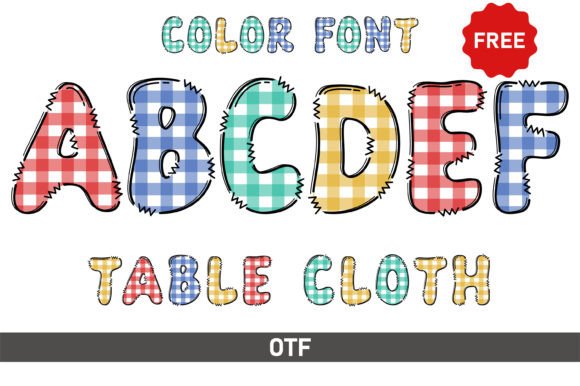
Imagine a typeface that doesn't just sit on the page but practically dances across it. That’s the immediate impression of the Plaid font. It’s a design asset built for projects that need a burst of personality, warmth, and approachable charm. Whether you're crafting a brand identity for a new bakery, designing a social media series for a lifestyle coach, or putting together invitations for a friend's baby shower, the right creative font can make all the difference. Plaid steps into that space with a confident, playful energy that feels both modern and inviting.
Visual Character and Design Appeal
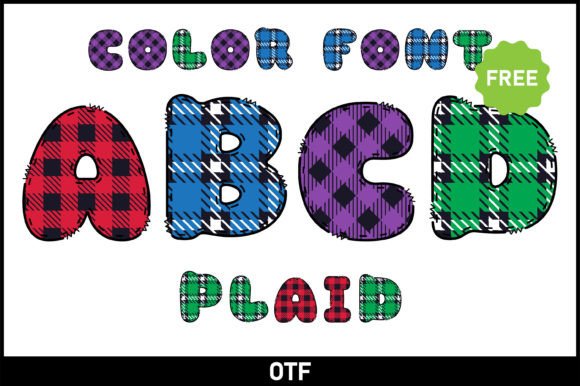
At its core, Plaid is a display typeface that leans into a whimsical, handcrafted aesthetic. Its letters often feature soft, rounded edges, slight irregularities that mimic hand-lettering, and a rhythm that feels organic rather than rigidly mechanical. This isn't a font for dense body text in a legal document; it's a headline-maker, a logo-setter, a visual accent that draws the eye and sets a specific mood. The visual weight is balanced—bold enough to command attention without overwhelming a layout. It’s this careful calibration that makes it so versatile for different design styles, from playful children’s branding to sophisticated artisan packaging.
Where This Font Truly Shines: Practical Applications
Understanding a font's strengths helps you deploy it effectively. Plaid’s personality makes it particularly well-suited for a range of creative and commercial projects where engagement and visual appeal are paramount.
- Brand Identity and Logo Design: For businesses targeting a family-friendly, creative, or artisan market, Plaid can form the cornerstone of a memorable logo. Think of a local ice cream shop, a children’s clothing line, or a craft workshop. The font’s approachable nature helps build instant brand recognition and conveys a specific brand voice.
- Packaging and Merchandise: On product labels, shopping bags, or branded merchandise, this typeface adds a touch of handmade quality. It can make a product feel more personal and crafted, which is a powerful differentiator in crowded marketplaces.
- Editorial and Print Layouts: In magazines, blog graphics, or poster design, Plaid works beautifully for pull quotes, subheadings, or feature titles. It injects energy into a layout and can break the monotony of standard serif or sans serif fonts, guiding the reader’s eye to key information.
- Digital Presence and Social Media: Consistency across platforms is key for brand recognition. Using a distinctive font like Plaid in your Instagram graphics, Pinterest pins, or website banners creates a cohesive visual language. Its readability at various sizes makes it a solid choice for digital-first projects.
- Invitations, Greeting Cards, and Digital Products: From wedding stationery to printable planners and e-book covers, this font adds a layer of charm and personality that generic fonts lack. It’s perfect for any project where the goal is to delight and engage the end-user.
Making Strategic Typography Choices
Simply liking a font isn’t enough; strategic selection is what separates good design from great design. Before integrating a new typeface like Plaid into your toolkit, consider these practical steps.
First, review the full font family and styles. A premium font often comes with multiple weights, alternates, or stylistic sets. Does it include a bold version for strong headlines? An italic for subtle emphasis? Understanding what’s included in your download ensures you can use the asset to its full potential across your projects.
Second, test font pairings rigorously. A playful display font rarely works in isolation. The real magic happens when you pair it with a complementary typeface. Try matching Plaid with a clean, geometric sans serif for body text, or a classic, readable serif for longer copy. The contrast creates visual hierarchy and ensures your design remains both engaging and professional. Spend time in your design software testing different combinations on actual content.
Third, never sacrifice readability for style. This is crucial, especially for projects like websites, blogs, or packaging where information must be communicated clearly. Test your chosen font at the sizes it will be used. Does it remain legible on a mobile screen? Is it clear when printed small on a label? For body text, always default to highly readable options, saving the more expressive fonts for headlines and accents.
Licensing and Compatibility: The Practical Details
For entrepreneurs and small business owners, understanding font licensing is non-negotiable. A font’s license dictates how you can legally use it. Most premium fonts, including creative options like Plaid, come with a commercial license that allows use in projects for clients, on merchandise for sale, and in digital products. However, always review the specific license agreement included with your purchase to ensure it covers your intended use, especially for high-volume merchandise or enterprise-level applications.
Furthermore, compatibility is a key technical consideration. If you use cutting machines like Cricut or Silhouette for crafting projects, you must pay close attention to font file types. Many creative fonts offer a standard OTF or TTF version that works seamlessly with these machines. However, color fonts—those with built-in color or texture—often operate differently. They typically require specific design software that supports the OpenType-SVG or COLR format, such as Adobe Photoshop, Illustrator, or Silhouette Studio. Always check the font’s description for compatibility notes to avoid frustration and ensure your workflow remains smooth. For detailed guidance, many foundries provide comprehensive font guides.
Ultimately, choosing a typeface is a decision that impacts your entire visual communication strategy. A font like Plaid offers a valuable tool for injecting personality, warmth, and professional polish into a wide array of projects. By thoughtfully applying it where its strengths align with your goals—and pairing it wisely with more neutral fonts—you can create designs that not only look fantastic but also effectively connect with your audience and strengthen your brand’s presence.