The Soft Power of Pastel Rainbow: A Font That Feels Like a Hug
There are times in design when you don't want to shout. You don't want the stark black and white contrast of a corporate report or the aggressive neon of a summer festival poster. Sometimes, the goal is to create an atmosphere of warmth, whimsy, and gentle joy. This is where the specific choice of typography becomes not just a technical decision, but an emotional one. If you have ever found yourself searching for a way to inject a little bit of magic into your text without overwhelming the viewer, you might be looking for exactly this kind of solution.
Imagine a typeface that carries the softness of a morning sky but with the vibrancy of a candy shop. That is the essence of a pastel-themed color font. It is a design asset that does more than just spell out words; it paints them. For creators ranging from small business owners to hobbyist crafters, finding a font that balances readability with a distinct aesthetic personality can be a game-changer. It moves your project from "informational" to "experiential."
More Than Just a Typeface: The Aesthetic of Soft Hues
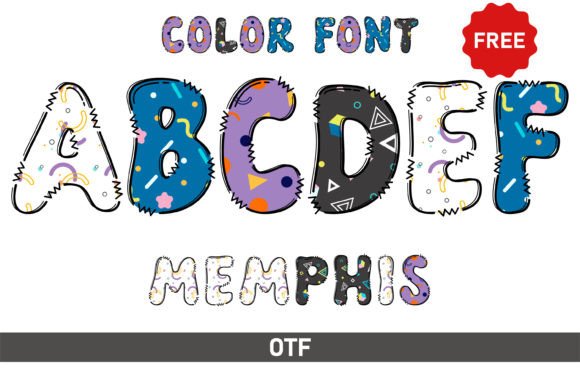
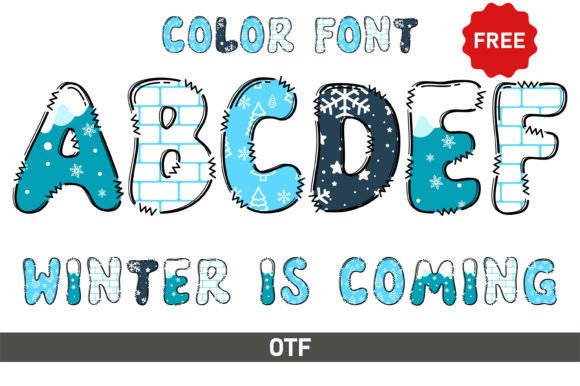
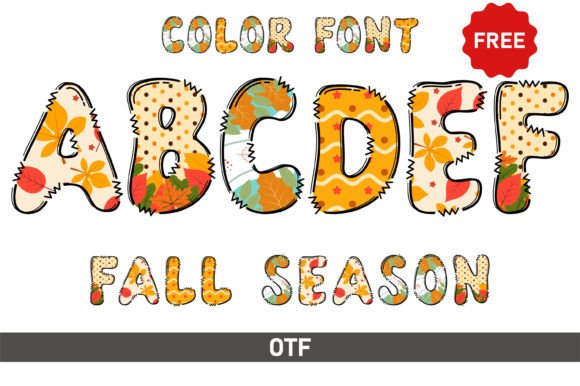
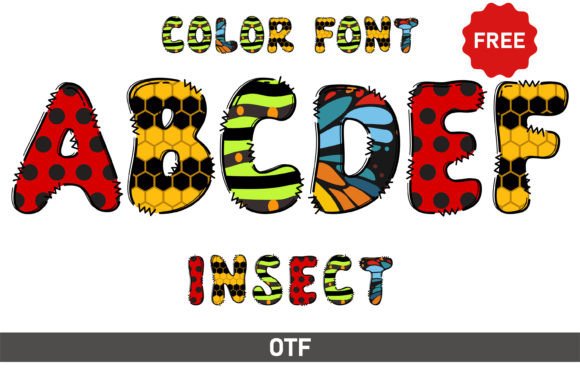
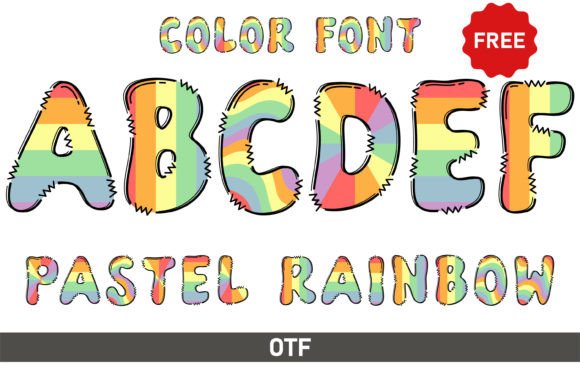
When we talk about typography in branding, we are usually discussing weight, kerning, and family styles. However, with the introduction of color fonts—specifically those utilizing the Opentype-SVG format—the rules change. Pastel Rainbow isn't just a collection of vectors; it is a pre-shaded design element. It features a spectrum of soft pints, mints, lavenders, and baby blues that are baked directly into the font file.
Why does this matter for your visual communication? Because color psychology is real. Pastel shades are universally associated with calmness, nostalgia, and approachability. By using a typeface that mimics these soft gradients, you immediately signal to your audience that your brand or project is friendly and inviting. It removes the intimidation factor that sometimes comes with high-contrast design.
For those working in digital spaces, this style of modern typography offers a unique advantage. On a crowded social media feed, a standard black font on a white background often gets scrolled past. But a text element that looks like it is made of watercolor or soft ice cream? That stops the thumb. It creates a focal point that is inherently pleasant to look at, increasing the likelihood that your message will be read.
Practical Applications: Where Soft Typography Shines
You might be wondering where a specific creative font like this fits into your workflow. The versatility of a pastel-themed display font is broader than you might initially think. It is not limited to just one niche; it adapts to wherever a touch of whimsy is needed.
Consider the world of packaging design. If you are selling artisanal soaps, baked goods, or children's clothing, the unboxing experience is part of the product. Using a pastel color font on your labels or box inserts can tie the physical product to the digital marketing seamlessly. It suggests that the product inside is gentle, high-quality, and made with care.
For those in the event planning space, specifically regarding invitations, this font is a natural fit. Wedding stationery, baby shower invites, and milestone birthday cards often rely on a soft, romantic palette. Instead of trying to manually colorize a standard script font in Photoshop, a color font gives you that multi-hued effect instantly, saving hours of design time while ensuring consistency across all text elements.
Here are a few other scenarios where this style excels:
- Social Media Graphics: Creating standout quotes, sale announcements, or Instagram Stories that feel "on-brand" without being heavy.
- Website Headers: Using a large display text to set the mood for a lifestyle blog or a creative portfolio.
- Merchandise: Designing t-shirts or tote bags where the print needs to be soft and stylish rather than bold and aggressive.
- Digital Products: Enhancing the covers of PDF guides, planners, or e-books to make them feel more premium and visually appealing.
Technical Harmony: Pairing and Readability
One of the most common pitfalls in using a highly stylized display font is overdoing it. A font like Pastel Rainbow is a showstopper, which means it commands attention. However, if you use it for long paragraphs of body text, you risk making your content unreadable and overwhelming the reader's eye.
The key to successful font pairing here is contrast. Because the pastel font is expressive, textured, and colorful, it pairs best with something clean, neutral, and structured. Think of a classic sans serif font like Montserrat or Lato for your body copy. The simplicity of the sans serif allows the pastel headings to pop without creating visual clutter.
When testing your pairings, consider the hierarchy of your information. The pastel typeface should be reserved for headlines, sub-headlines, or short call-to-action phrases. It acts as the garnish on the dish—it adds flavor and visual interest, but you wouldn't eat a whole plate of just garnish. By keeping your main text in a standard dark grey or black, you ensure that your message remains legible and professional, while the headings provide the emotional hook.
Compatibility and Workflow: The Designer's Reality
As we embrace more advanced design assets, we have to be mindful of the technical requirements. It is important to understand that Pastel Rainbow is an Opentype-SVG font. This means the color and texture data are embedded within the font file itself, rather than being a standard vector outline that you color manually.
For professional designers using PhotoShop or Illustrator, this is seamless. These programs support color fonts natively, allowing you to type as usual and see the pastel hues appear instantly. It integrates smoothly into a standard logo design or editorial design workflow.
However, there is a caveat for crafters and makers. If you are using a Cricut machine, you need to be aware that standard OTF/TTF files generated from this specific SVG technology may not be compatible with Cricut Design Space. This is a common limitation with color fonts across the industry. For Silhouette users and those using Inkscape, compatibility is generally supported, but it is always wise to check the specific guides provided for your software version.
Understanding these technical nuances ensures you don't hit a roadblock mid-project. It saves you the frustration of downloading an asset only to find it doesn't render correctly in your specific cutting software or older design program.
Elevating Your Brand Identity
Ultimately, the tools you choose for your brand speak volumes about who you are. Typography is the voice of your brand's visual language. Choosing a premium font with a distinct personality like a pastel color font can help differentiate you in a saturated market.
If you are a small business owner in the lifestyle, beauty, or children's sector, this font can become a cornerstone of your brand identity. It tells a story of softness, creativity, and attention to detail. It suggests that you care about aesthetics and that you value a pleasant customer experience.
However, remember that consistency is key. Once you adopt this style for your social media headers, ensure that the color palette of your pastels matches your other brand assets—your photography, your packaging, and your website buttons. When all these elements align, you create a cohesive ecosystem that feels professional and trustworthy.
Don't be afraid to experiment with this style in your next project. Whether you are designing a digital planner for Etsy or refreshing the menu for a local bakery, the right typography can transform a mundane layout into something that feels truly special. It is about finding the right balance between function and beauty, ensuring that your designs not only look good but also communicate your message effectively.