The Unpretentious Charm of the Horrible Font
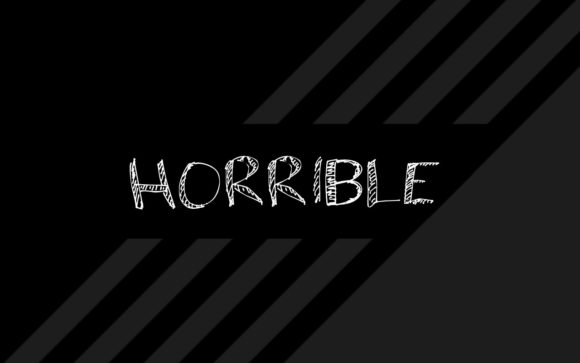
There's a particular feeling you get when you see a chalkboard sign in a cozy coffee shop or a hand-lettered birthday card. It’s warm, personal, and feels like it was made just for you. In a world of sleek, digital precision, that human touch can cut through the noise. This is exactly the space the Horrible font occupies. Don't let the name fool you—this isn't a poorly designed typeface. It’s a beautifully crafted, lettered handwritten font that brings an authentic, chalk-on-board aesthetic to any project, designed by Florencia Raffa to feel both simple and full of character.
More Than Just a Quirky Name
At its core, Horrible is a display font with a distinct personality. It mimics the natural, slightly uneven strokes of someone writing with a piece of chalk. This isn't the sterile, perfect script of a computer-generated cursive; it has the subtle wobbles and pressure variations of a real hand. The letterforms are friendly and legible, avoiding the overly decorative curls that can make some script fonts hard to read at a glance. It’s this balance—between being stylized enough to be interesting and simple enough to be functional—that makes it a versatile design asset.
The visual appeal lies in its simplicity. It doesn't shout for attention with complex details. Instead, it draws you in with its approachable, nostalgic vibe. Think of it as the typographic equivalent of a vintage chalkboard menu or a heartfelt note left on the kitchen counter. This makes it a fantastic tool for projects that need to convey warmth, authenticity, and a touch of handmade craft.
Where This Handwritten Font Truly Shines
Understanding a font's personality is one thing; knowing where to apply it is where the real value lies. Horrible isn't a one-trick pony. Its strength is in adding a personal, realistic feel across a wide range of creative and commercial applications. Here’s how you can put it to work.
- Branding & Logo Design: For businesses that want to project a friendly, approachable, and artisanal image—like a bakery, a boutique coffee roaster, a local florist, or a children's boutique—Horrible can be a cornerstone of the brand identity. It works beautifully for logos, wordmarks, and brand slogans that need to feel handmade and trustworthy.
- Packaging & Merchandise: Imagine this font on a jam jar label, a craft beer bottle, or the hang tag for a handmade candle. It instantly communicates care and craftsmanship. It’s also perfect for merchandise like tote bags, t-shirts, and mugs where a hand-lettered look adds significant charm and perceived value.
- Social Media & Digital Content: In the fast-scroll world of Instagram, Pinterest, and TikTok, a font with personality stops the thumb. Use Horrible for quote graphics, story headings, or promotional banners. It adds a layer of warmth and authenticity that polished sans serif fonts often lack, helping to boost audience engagement.
- Print & Editorial Layouts: Break up the monotony of body text in a magazine, blog, or brochure. Horrible is ideal for pull quotes, subheadings, or callout boxes in editorial design. It draws the reader's eye and adds a human element to otherwise structured layouts.
- Invitations & Event Materials: From wedding save-the-dates to a child's birthday party invitation, this font sets a joyful and personal tone. It’s equally effective for posters, flyers, and thank-you cards, making every piece feel like it was crafted with intention.
Pairing Horrible with Other Typefaces
A great font rarely works in isolation. The key to modern typography is creating a harmonious dialogue between different typefaces. Horrible, being a handwritten font with a lot of character, pairs best with clean, neutral fonts that provide balance and ensure readability.
For body copy, pair it with a simple, highly legible sans serif font like Open Sans, Lato, or Montserrat. The contrast between the expressive, organic Horrible and the clean, geometric sans serif creates a professional yet friendly hierarchy. If your project leans more classic, a traditional serif font like Georgia or Merriweather can also work, giving the design a more grounded, established feel with a touch of whimsy.
The rule of thumb is to let Horrible be the star. Use it for headlines, short statements, or accent text where its personality can shine. Let a more subdued typeface handle the longer paragraphs of information. This ensures your design remains visually consistent and easy to read, which is crucial for professional presentation.
Practical Tips for Using Your New Font
Once you've downloaded Horrible, a few practical considerations will help you get the most out of it.
First, review the included font styles. Does it come with alternate characters or ligatures? These are variations of letters that can help avoid repetition and make your text look more naturally handwritten. Experiment with them in your design software.
Second, always test for readability at the size you intend to use it. While Horrible is designed for clarity, its chalk-like texture can become less distinct at very small sizes. It’s generally best used for medium to large text applications like headlines, logos, and signage rather than for fine print.
Finally, and this is critical for any commercial project: understand the licensing. Horrible is a premium font, which means it comes with a license that dictates how you can use it. Ensure the license covers your intended use, whether it's for a client project, merchandise for sale, or digital products. Respecting the designer's work by adhering to the license is non-negotiable for any creative entrepreneur or business owner.
In the end, choosing a font is about finding the right voice for your message. Horrible offers a voice that is genuine, inviting, and unmistakably human. It’s a tool that can help you build a stronger brand identity, create more engaging social media graphics, and design print materials that people want to hold onto. It proves that sometimes, the most powerful design choice is the one that feels the most real.