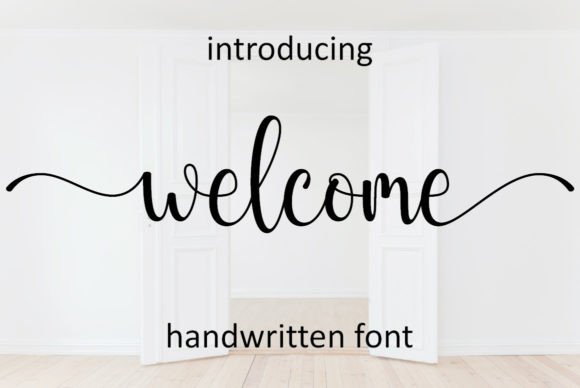
Welcome: A Handwritten Font for Elegant Design Projects
There’s something undeniably personal about a handwritten touch in design. It cuts through the digital noise, offering a sense of warmth, authenticity, and human connection that crisp, mechanical fonts sometimes lack. If you’ve been searching for a typeface that balances sophisticated elegance with that genuine, crafted feel, you may have just found your match. Welcome is a stylish and incredibly elegant handwritten font that has been turning heads in the design community for its versatility and beauty.
The Visual Appeal of a Refined Script
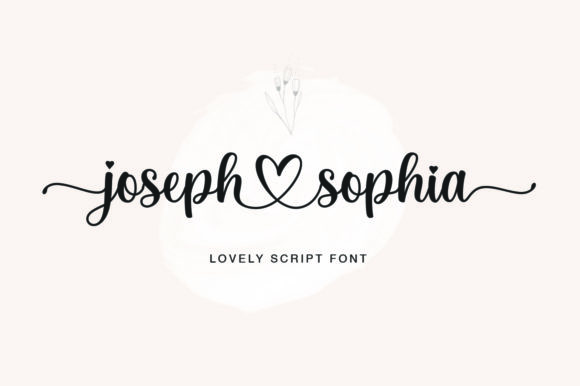
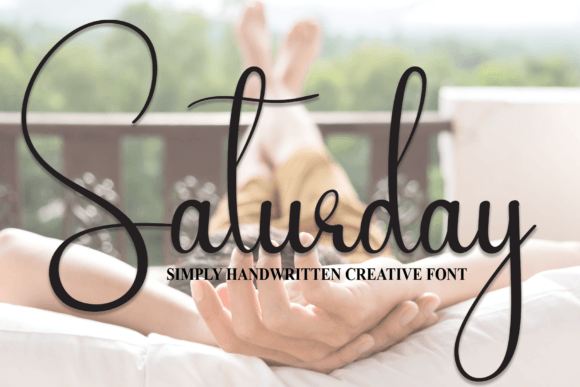
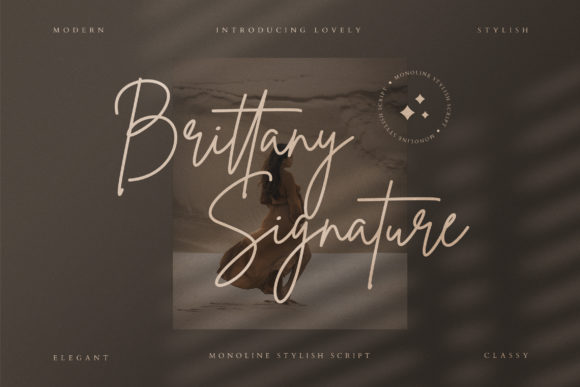
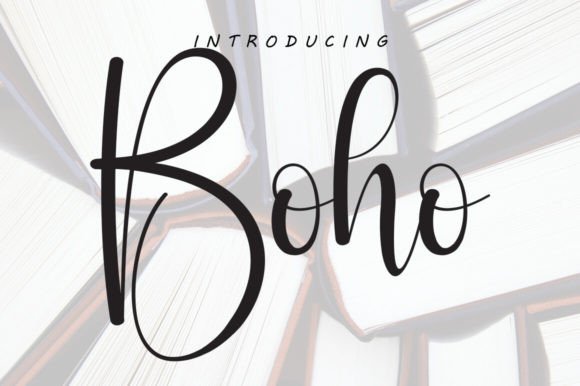
At its core, Welcome is a premium script font designed to mimic the fluidity of natural handwriting. What sets it apart from many other handwritten fonts is its incredible refinement. The letterforms are carefully crafted with graceful swashes, subtle variations in line weight, and a balanced flow that feels both organic and intentional. This isn’t a font that looks messy or overly casual; it’s a display font that exudes class. The connections between letters are smooth, and the overall rhythm of the typeface creates a visually pleasing cadence that guides the eye effortlessly across the page.
This makes it an exceptional choice for projects where first impressions are paramount. Its elegance ensures it doesn’t sacrifice professionalism for personality. You get the best of both worlds: a typeface that feels bespoke and intimate, yet polished enough for high-end branding and marketing materials.
Practical Applications: Where Welcome Truly Shines
The true test of any creative font is its adaptability. Welcome proves its worth across a stunning range of applications, making it a valuable asset in any designer’s toolkit.
For Branding and Logo Design: A logo is the cornerstone of a brand’s identity. Welcome can inject a brand with a sense of approachability, luxury, or artisanal quality, depending on the context. Imagine it for a boutique wedding planner, a handmade cosmetics line, a high-end café, or a personal blog. It works beautifully as a primary logotype or as a complementary script for taglines and secondary branding elements.
In Packaging and Product Design: On packaging, typography tells a story before the product is even opened. Welcome can elevate the perceived value of items like specialty foods, artisan candles, premium stationery, or boutique clothing. Its handwritten quality suggests care, attention to detail, and a personal touch—key factors that influence consumer perception on a crowded shelf.
Across Digital Platforms: The digital realm is where this font truly engages audiences. Use it to create captivating social media graphics that stop the scroll. It’s perfect for Instagram quotes, Facebook headers, Pinterest pins, and YouTube thumbnails. On websites and blogs, it can be used sparingly for impactful headlines, pull quotes, or section titles to add a layer of personality without compromising the readability of body text. Think of a compelling “About Us” page title or a standout call-to-action.
For Print and Editorial Layouts: The elegance of Welcome translates perfectly to print. It’s a natural fit for wedding invitations, thank you cards, and greeting cards where a personal, celebratory tone is desired. In editorial design, such as magazines, lookbooks, or annual reports, it can be used for article titles, chapter headings, or decorative drop caps to break up dense text and add visual interest.
Marketing Assets and Merchandise: From posters and flyers to business cards and letterheads, this typeface helps create cohesive and memorable marketing collateral. It’s also an excellent choice for merchandise like tote bags, mugs, or T-shirts, where a catchy phrase or brand name in a stylish script font can become a wearable or usable piece of art.
Enhancing Your Design Workflow and Outcomes
Choosing the right font is more than an aesthetic decision; it’s a strategic one that impacts the effectiveness of your communication. Incorporating a well-designed typeface like Welcome can yield tangible benefits.
Boosting Visual Consistency: Using a consistent set of fonts is fundamental to building a recognizable brand. When you select a primary typeface like Welcome, you can build a entire visual language around it, pairing it with a clean sans serif or a classic serif font for body copy. This consistency across all touchpoints—from your website to your invoices—builds trust and professionalism.
Improving Audience Engagement: A font with personality can evoke emotion. The warmth and elegance of a handwritten script can make your audience feel more connected to your message. It can make a promotional email feel less corporate, a social media post more relatable, and a product package more desirable. This emotional connection is a powerful driver of engagement and loyalty.
Maintaining Professional Presentation: One common pitfall with handwritten fonts is poor legibility, especially at smaller sizes. Welcome is designed with readability in mind. Its clear letterforms and thoughtful spacing ensure it remains legible in various contexts, from a bold headline to a medium-sized subheading. This allows you to add flair without sacrificing clarity, which is crucial for maintaining a professional image.
Tips for Integrating Welcome into Your Projects
To get the most out of this or any creative font, a thoughtful approach is key. Here are some practical considerations for your next project.
Match the Font to the Project Goal: Before you start, define the mood you want to set. Is it romantic, luxurious, playful, or minimalist? Welcome’s elegant style leans toward sophistication and warmth. Ensure that aligns with your project’s core message. For a tech startup, it might be used only for a specific campaign, whereas for a florist, it could be the cornerstone of the entire brand.
Master the Art of Font Pairing: Rarely should a script font stand alone for all text. The most effective designs use font pairing. Welcome pairs exceptionally well with neutral, geometric sans serif fonts (like Montserrat or Lato) for a modern, balanced look. It also complements traditional serif fonts (like Garamond or Playfair Display) for a more classic, editorial feel. Use the script for accents and headlines, and the supporting font for body text to ensure readability.
Explore All the Glyphs and Alternates: A major advantage of this typeface is that it is PUA encoded. This means you have full access to all the special characters, swashes, and alternate letterforms it includes. Don’t just type and go. Open the glyphs panel in your design software to explore different stylistic options for certain letters. Adding a swash to a capital letter or using an alternate ‘g’ can customize your text and make your design truly unique.
Consider Commercial Licensing: If you plan to use the font for client work, merchandise for sale, or digital products, it’s essential to verify the licensing. Welcome is typically available as a commercial font, but always check the specific license agreement from the foundry or marketplace where you purchase it to ensure it covers your intended use, whether for a single project or for multiple clients.
A Tool for Thoughtful Designers and Creators
In a landscape saturated with generic visuals, the details matter. A thoughtfully chosen typeface is one of those powerful details. Welcome offers more than just pretty letters; it provides a tool for adding depth, emotion, and a human signature to your work. Whether you’re a small business owner crafting your first brand identity, a designer building a comprehensive style guide for a client, or a content creator looking to make your graphics stand out, this font offers a blend of beauty and practicality that can elevate your visual storytelling.
It reminds us that good design isn’t about following rigid rules, but about making intentional choices that resonate with your audience. By understanding its strengths and applying it with care, you can harness the elegant charm of this handwritten font to create designs that are not only seen but felt.