Distressed Font: The Vintage Typeface with Built-in Character
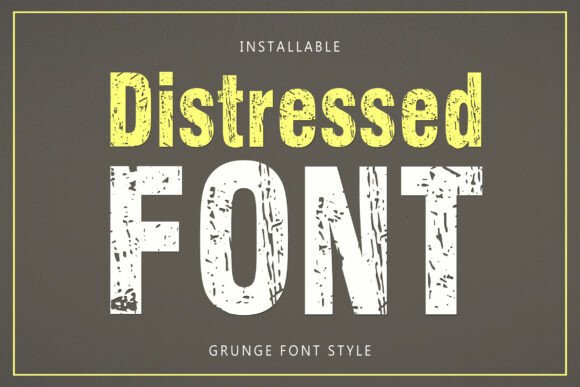
There's a certain magic in things that look a little worn, a little weathered. A favorite leather jacket, a well-loved book, a vintage sign faded by decades of sun. They tell a story. In the world of design, capturing that authentic, lived-in feeling can be a challenge. You want something that feels genuine, not artificially aged. This is precisely where a typeface like Distressed shines. It's not just a font; it's a visual shortcut to nostalgia, grit, and undeniable character. Each letterform is intentionally crafted with rough edges and subtle imperfections, giving your text an instant sense of history and texture that clean, modern fonts simply can't replicate.
More Than Just a Grunge Aesthetic
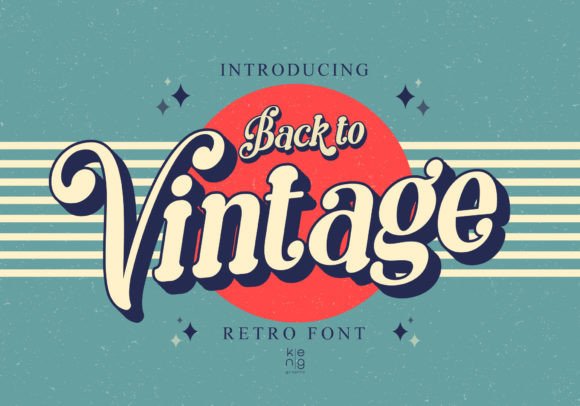
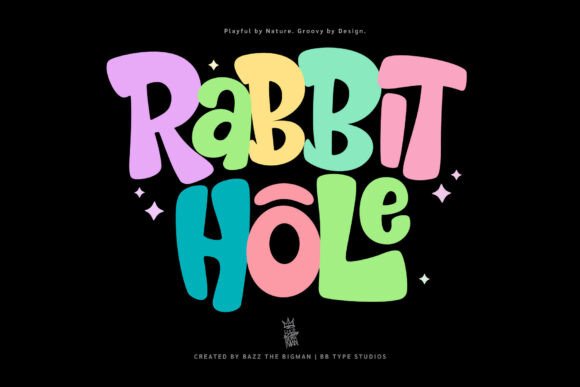
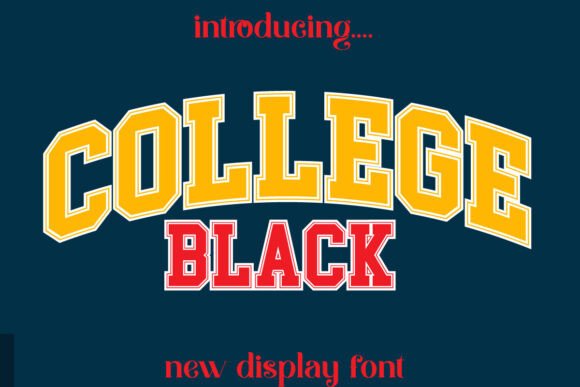
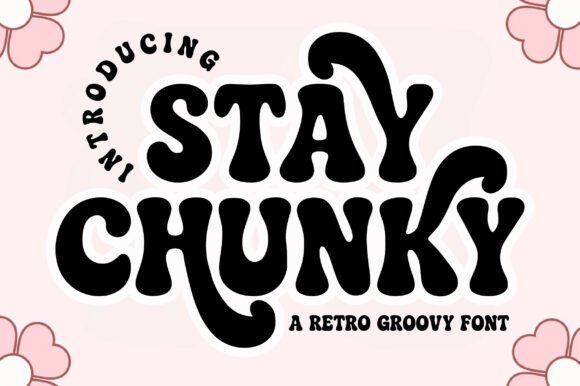
While its worn look makes it a natural fit for grunge-inspired projects, limiting Distressed to that one niche would be a mistake. Think of it as a versatile tool for adding depth and personality. Its bold, vintage-inspired structure makes it a powerful display font that commands attention on posters, apparel, and packaging. Yet, because the distressing is applied with a designer's eye for detail, it remains surprisingly readable, even at smaller sizes or in shorter blocks of text. This balance between raw texture and clarity is what sets a premium font apart from a generic one. It’s a creative font that understands the dual need for impact and legibility.
The real-world applications are vast. Imagine a craft brewery's logo where "Distressed" gives the brand name an earthy, artisanal feel. Picture it on a coffee shop's menu board, suggesting time-honored roasting traditions. For a clothing line, it can evoke rugged, outdoor adventure or vintage Americana. As a brand identity asset, it does more than spell out a name; it communicates a mood, a value, a story before a customer even reads a single word of your "About Us" page. It bridges the gap between digital perfection and tangible, human-made texture.
Practical Applications Across Your Creative Projects
Let's move from the abstract to the concrete. Where exactly can you deploy this typeface to make a difference?
- Branding & Logo Design: For businesses that want to convey authenticity, heritage, or a handcrafted ethos—think independent coffee roasters, barberships, vintage clothing stores, or artisanal food brands—Distressed becomes a cornerstone of their visual consistency. It helps build brand recognition by being instantly memorable and emotionally resonant.
- Packaging Design: On a label for hot sauce, a bag of specialty coffee, or a box of organic tea, this font adds a layer of perceived quality and tradition. It suggests the product inside has a story, making it stand out on a crowded shelf.
- Social Media Graphics & Digital Content: In the fast-scrolling world of Instagram or Pinterest, a textured font like Distressed can stop the thumb. It adds visual interest to quote graphics, sale announcements, and story templates, helping your content feel more curated and less generic. It’s a valuable piece of your design assets toolkit.
- Posters, Merchandise & Print Materials: Whether it's a concert poster, a band t-shirt, a wedding invitation with a rustic theme, or a flyer for a local market, the font's character ensures your printed piece feels intentional and designed, not just laid out.
- Websites & Blogs: Used strategically for headlines, pull quotes, or section titles, it can break the monotony of standard web design typography. Paired with a clean sans serif font for body text, it creates a dynamic and engaging hierarchy that guides the reader's eye.
Making It Work: Pairing, Readability, and Licensing
Adopting a display font with this much personality requires a thoughtful approach. The goal is to let it enhance your design, not overwhelm it. Here’s how to integrate Distressed effectively.
Choose Your Style Intentionally. A good typeface family will offer variations. Does your project need the full, bold impact of the regular style, or would a lighter weight or italic version provide better nuance? Review the included font styles. Sometimes, using the distressed version only for key headers and a cleaner companion for subheads creates the perfect balance of impact and readability.
Master the Art of the Pairing. This is where modern typography gets exciting. Distressed loves contrast. Pair it with a simple, geometric sans serif font like Montserrat or Poppins for body copy. The clean lines of the sans serif will make the textured headlines pop even more. Alternatively, it can sit beautifully alongside a traditional serif font for a mix of vintage and classic. The key is to let the distressed typeface be the star of the show in headlines, while the supporting cast (your body font) remains calm and easy to read.
Never Sacrifice Readability. This is the golden rule. Always test your text at the size it will actually be viewed. A font that looks stunning as a large headline might become an unreadable blur if used for a 12-point paragraph. Use Distressed for short, impactful text: titles, logos, single-word callouts. For longer sentences or paragraphs, switch to a highly legible body font.
Understand the Commercial License. If you're using this font for a client project, merchandise for sale, or any commercial endeavor, you must ensure you have the proper commercial font license. This is non-negotiable. Purchasing from a reputable foundry or marketplace guarantees you have the legal right to use the font in your work, protecting both you and your client. It’s a small but critical step in professional editorial design and packaging design.
Bringing Authenticity to Your Visual Language
In a digital landscape often dominated by sleek minimalism, choosing a typeface with inherent texture and history is a deliberate design choice. It’s a move away from the sterile and toward the soulful. Distressed doesn’t just convey a word; it conveys a feeling. It can make a marketing asset feel more relatable, a digital product feel more premium, and an invitation feel more personal. It’s a tool for the designer, the entrepreneur, and the creator who understands that the most compelling visual stories are often told through the details that feel a little imperfect, a little human. By matching this typography to your project's goals, you’re not just choosing a font—you’re choosing a voice, one that speaks with the resonant, textured tone of something that has truly stood the test of time.