Back to Vintage: A Typeface That Feels Like a Classic
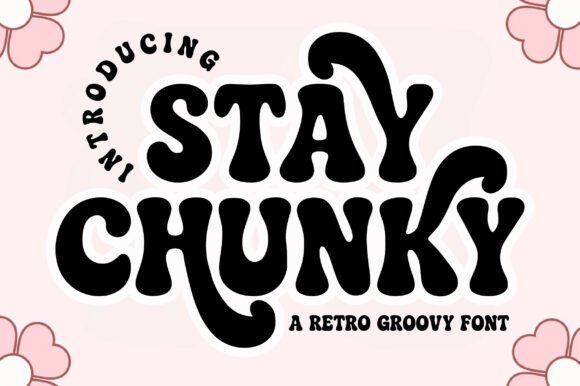
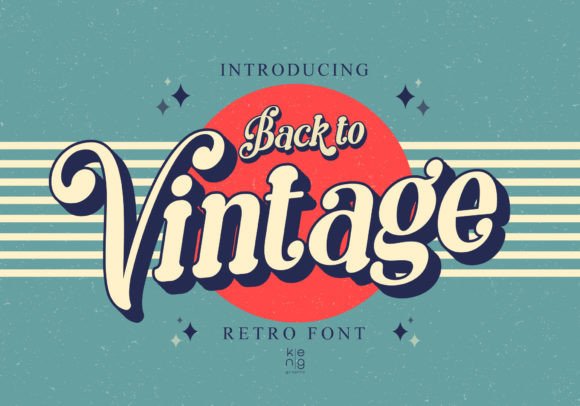
There's a certain magic in designs that evoke a sense of history and warmth. In a landscape saturated with sleek, minimalist fonts, a typeface with genuine retro character can stop a viewer in their tracks. This is the power of Back to Vintage, a display font that doesn't just mimic the past—it embodies the optimistic, rounded aesthetic of mid-century typography. Inspired by the bold, friendly letterforms of the 1960s, 70s, and 80s, this typeface instantly injects personality and nostalgia into any project. Its defining feature is a unique softness; every corner is gently rounded, creating an approachable and unmistakably retro vibe that grabs attention without shouting.
More Than Just Nostalgia: The Visual Appeal of a Rounded Retro Font
What makes Back to Vintage so visually compelling isn't just its era-specific inspiration, but its execution. The rounded terminals and soft edges give it a friendly, almost tactile quality. This isn't a sharp, geometric sans-serif or a stiff, traditional serif font. It feels handmade, organic, and full of character. This makes it a superb creative font for projects that need to convey authenticity, warmth, or a playful spirit. The design balances boldness with approachability, ensuring it stands out in headlines while remaining surprisingly readable in shorter bursts of text. It's a typeface that tells a story before a single word is read, making it a powerful tool for visual communication.
Practical Magic: Where This Typeface Truly Shines
Understanding a font's personality is one thing; knowing how to deploy it effectively is where real value lies. Back to Vintage excels in contexts where grabbing attention and establishing a clear mood are paramount. Its strengths are most evident in specific applications.
- Branding & Logo Design: For businesses aiming for a retro, artisanal, or friendly brand identity, this font is a natural fit. It can form the cornerstone of a logo design for a craft brewery, a vintage clothing shop, a local diner, or a creative studio. Its inherent personality helps build instant brand recognition.
- Packaging Design: On product labels, especially for food, beverages, cosmetics, or craft goods, the rounded, vintage style communicates quality, care, and tradition. It stands out on crowded shelves and tells a story about the product's character.
- Marketing & Social Media: In the fast-scroll world of social media, a display font like this can make graphics pop. Use it for headline text in Instagram posts, Facebook ads, or Pinterest pins to create a cohesive and eye-catching social media graphics series that feels curated and intentional.
- Print & Posters: For event posters, flyers, or editorial layouts, it provides a strong visual anchor. Think concert posters, festival announcements, or magazine feature headlines where a touch of retro flair is desired.
- Merchandise & Invitations: The font's charm translates beautifully to physical products. It's perfect for t-shirt designs, tote bags, mugs, and especially for creating memorable invitations for parties, weddings, or launches with a specific theme.
Integrating a Retro Font into a Modern Workflow
Adopting a distinctive typeface like this requires a bit of strategy to ensure it enhances rather than overwhelms your project. The goal is to leverage its character while maintaining professional presentation and clarity.
First, consider font pairing. A strong display font rarely works well alone for body text. Pair Back to Vintage with a clean, neutral sans serif font or a simple serif font for paragraphs, captions, or smaller UI elements. This contrast ensures the headline personality shines without sacrificing readability for longer content. A pairing with a minimalist sans-serif can create a modern-retro fusion that feels fresh.
Second, always test your designs in context. A font that looks great on your screen might behave differently in a logo on a business card or as a headline on a mobile website. Check the visual consistency across all intended platforms—print, web, and mobile. Ensure the rounded details render cleanly at both large and small sizes.
Third, review the included font styles. Does it come with alternates, ligatures, or different weights? Understanding the full toolkit allows for more versatile and sophisticated applications. Finally, for any commercial project, always verify the commercial licensing terms. Using a premium font with a clear license protects your project and respects the creator's work, making it a smart investment in your design assets.
A Tool for Connection and Engagement
Ultimately, typography is about connection. The right typeface doesn't just present words; it frames them with emotion and context. Back to Vintage is more than a font; it's a design tool that can help improve audience engagement by tapping into a shared visual language of nostalgia and warmth. It can elevate a simple social media post, give a small business a memorable face, or turn a digital product into something that feels special and crafted. In a world of digital uniformity, choosing a typeface with this much inherent personality is a strategic move to stand out, tell a better story, and create designs that resonate on a human level.