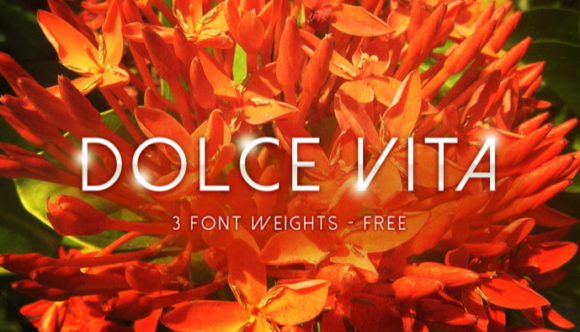
Dolce Vita: A Font That Brings Personality to Every Project
There's a moment in every creative project where you realize the typography isn't quite working. The words look fine, but they feel flat—like a conversation delivered in monotone. That's usually when you start hunting for something with more character, something that speaks rather than just sits there. Dolce Vita is the kind of typeface that fills that gap, offering a distinct voice without shouting over everything else in your design.
Created by designers who understand the daily grind of putting together visual identities, this font carries a confident, slightly exotic personality. It's not trying to be everything to everyone, but it does offer surprising versatility across a range of creative applications. Whether you're building a brand from scratch, refreshing a website, or designing packaging that needs to stand out on a crowded shelf, Dolce Vita brings a warmth and sophistication that many modern fonts lack.
Where This Typeface Truly Shines
Think about the last time a logo caught your eye. Chances are, the typography played a significant role. Dolce Vita works exceptionally well for logo design because its letterforms have enough personality to be memorable without becoming illegible at small sizes. The three available weights—Light, Normal, and Bold—give you flexibility to create visual hierarchy within a single brand mark or across an entire identity system.
Packaging designers often struggle to find fonts that look premium without feeling stuffy. Dolce Vita hits that sweet spot between elegance and approachability. Imagine it on a artisanal chocolate box, a skincare label, or a boutique candle brand. The typeface carries an inherent sense of quality that can elevate even the simplest packaging concept. It suggests craftsmanship and attention to detail—exactly the associations most product-based businesses want to convey.
Social media graphics demand fonts that grab attention in a split-second scroll. The distinctive character of Dolce Vita makes it particularly effective for Instagram posts, Pinterest pins, and promotional banners. When you pair the Bold weight with a clean sans serif for body text, you create an immediate focal point that stops thumbs and draws eyes. Content creators who use this approach often notice higher engagement rates simply because their visuals feel more intentional and polished.
Building Visual Consistency Across Touchpoints
One of the most practical benefits of working with a well-constructed typeface family is the ability to maintain consistency across every customer interaction. A small business owner might use Dolce Vita Bold for their primary logo, the Normal weight for website headings, and Light for elegant subheadings on printed materials. This creates a cohesive brand identity without requiring multiple font purchases or complicated licensing arrangements.
Consider how a coffee shop might use this approach. The Bold weight anchors the shop's name on signage and merchandise. The Normal weight appears on menu boards and the website. The Light weight adds refinement to business cards and loyalty cards. Customers begin to associate that specific typographic voice with the brand experience, which strengthens recognition over time. This kind of visual consistency is what separates amateur branding from professional presentation.
Practical Considerations for Real Projects
Before committing to any premium font for a commercial project, it's worth testing how it performs in your specific context. Print a sample at the size you'll actually use. View it on different screens and devices. Check how it renders in both large display settings and smaller text applications. Dolce Vita is designed primarily as a display typeface, which means it excels at headlines, titles, and prominent text. For body copy, you'll likely want to pair it with a more neutral serif or sans serif font that handles extended reading comfortably.
Font pairing is both an art and a practical skill. A good rule of thumb: contrast without conflict. If Dolce Vita brings ornate, expressive energy to your headlines, balance it with something clean and understated for paragraphs. Think of it like seasoning in cooking—Dolce Vita adds flavor, but you wouldn't use it as the base ingredient for every element on the page. Test several combinations before settling on your final selection. Most design software makes this easy, and spending an extra thirty minutes on pairing experiments can save hours of revision later.
Licensing matters more than many people realize. If you're using a font for client work, merchandise, or digital products you plan to sell, confirm that your license covers commercial use. Dolce Vita is positioned as a creative font for professional designers, so its licensing terms are built with commercial applications in mind. Still, it's always smart to read the specifics before embedding fonts in products or distributing them to clients.
Creative Applications Beyond the Obvious
Editorial designers appreciate typefaces with enough character to set a publication's tone from the cover alone. Dolce Vita works beautifully for magazine mastheads, book covers, and report front pages where you need typography that feels curated rather than generic. Wedding invitations, event programs, and specialty stationery also benefit from its refined aesthetic. The Light weight, in particular, brings an airy elegance that suits formal occasions without feeling cold or impersonal.
Web designers increasingly recognize that typography choices directly impact user experience. A distinctive heading font like Dolce Vita can give a website personality while maintaining fast load times and clean code. When used strategically on landing pages, hero sections, and call-to-action areas, expressive typography increases the likelihood that visitors will engage with your content. The key is restraint—use it where it matters most, and let simpler fonts handle the supporting roles.
For digital product creators—think online course materials, downloadable planners, or branded templates—having access to multiple weights within a single typeface family simplifies the design process considerably. You can create professional-looking documents without juggling five different fonts, which keeps your files cleaner and your brand more cohesive.
Making the Most of Three Distinct Weights
The inclusion of Light, Normal, and Bold weights in a display font isn't just a convenience—it's a practical design tool. Each weight carries a slightly different emotional register. The Bold weight commands attention and conveys authority. It's your go-to for primary headlines, logo marks, and any place where you need typographic impact. The Normal weight offers balance—strong enough to hold its own as a heading, but versatile enough for shorter text blocks where you want personality without heaviness. The Light weight whispers rather than speaks, adding sophistication to subheadings, captions, and accent text.
Experimenting with weight combinations within a single project creates visual rhythm. A poster might use Bold for the event title, Normal for the date and location, and Light for supporting details. This natural hierarchy guides the viewer's eye through the information in the order you intend, which is fundamentally what good typography achieves.
Whether you're a freelance designer building client brands, an entrepreneur crafting your own visual identity, or a hobbyist who simply appreciates beautiful letterforms, having a typeface with genuine personality in your toolkit pays dividends. Dolce Vita offers that rare combination of distinctive character and practical versatility—a font designed by people who actually use fonts in their daily creative work. The next time your project needs typography that feels alive rather than merely functional, it's worth exploring what this typeface can bring to the table.