Polka: The Handwritten Font That Brings Joy to Every Design
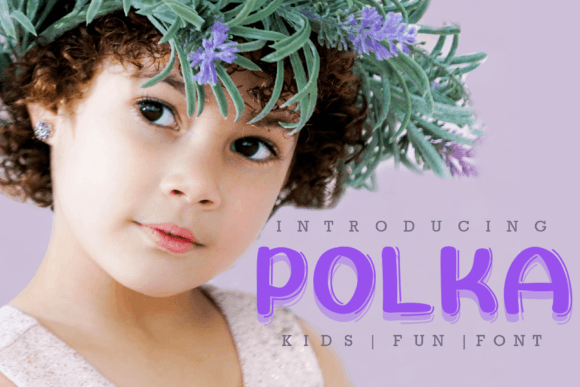
There's something immediately inviting about a well-crafted handwritten font. It feels personal, approachable, and full of character—the kind of typography that makes people stop scrolling and actually pay attention. That's exactly the energy Polka brings to the table. Created by Kong Font Studio, this modern script typeface strikes a beautiful balance between playful charm and practical versatility, making it a genuinely useful addition to any designer's toolkit.
Whether you're building a brand from scratch, designing packaging for a small business, or putting together social media content that needs personality, Polka offers a refreshing alternative to the overused fonts cluttering the design landscape. Let's dig into what makes this particular typeface worth considering and how you can put it to work across different creative projects.
What Makes Polka Visually Stand Out
Polka isn't trying to be everything to everyone, and that's precisely what makes it effective. As a script font with a distinctly handwritten feel, it carries the kind of warmth that rigid sans serif fonts simply can't replicate. The letterforms flow naturally, with just enough variation in stroke width to feel organic without sacrificing legibility. It reads like someone actually sat down and wrote something with care—which, in an era of sterile corporate typography, feels like a breath of fresh air.
The modern styling keeps it from looking dated or overly whimsical. You won't mistake this for a novelty font or something pulled from a 1990s clip art collection. Instead, Polka sits comfortably in that sweet spot where modern typography meets authentic human expression. The connections between letters feel intentional, the spacing works well at various sizes, and the overall rhythm of the text creates a pleasant reading experience.
What's particularly useful is how Polka maintains its personality without becoming illegible. Some handwritten fonts sacrifice readability for style, forcing readers to squint or guess at individual characters. Polka avoids that trap. Each letter remains distinct enough to be quickly recognized, even when used at smaller sizes or viewed on screens with varying resolutions.
Real-World Applications That Actually Work
Let's talk about where Polka genuinely shines, because understanding practical applications matters far more than admiring a font in isolation.
Logo design and brand identity are natural fits. If you're working with a client whose brand personality leans toward friendly, creative, or approachable—think boutique bakeries, handmade jewelry brands, children's clothing lines, or wellness studios—Polka can anchor an entire visual identity. Pair it with a clean sans serif font for body text, and you've got a font pairing that feels both professional and personal. The key is matching the font's energy to the brand's actual personality, not just picking something that looks pretty in isolation.
Packaging design is another area where this typeface adds real value. On product labels, box designs, and wrapping materials, Polka brings that handcrafted quality that signals care and attention to detail. Consumers respond to packaging that feels thoughtful, and typography plays a massive role in creating that impression. A premium font like Polka can elevate even simple packaging layouts into something that feels intentional and desirable.
For social media graphics, the font's playful energy translates beautifully. Instagram posts, Pinterest pins, Facebook headers, and YouTube thumbnails all benefit from typography that breaks through the visual noise. Polka works particularly well for quote graphics, announcement posts, sale promotions, and any content where you want the text itself to be a visual element rather than just information delivery.
Invitations and event materials are practically tailor-made for this kind of font. Wedding invitations, baby shower announcements, birthday party flyers, corporate event save-the-dates—anywhere you want to convey celebration and warmth, Polka fits naturally. It's also compatible with popular design tools like Silhouette Design Studio and Photoshop, which means crafters and designers can integrate it into existing workflows without friction.
Don't overlook web design and blog graphics either. While you'd want to be selective about using a script font for body text on websites (more on that shortly), Polka works beautifully for hero section headlines, call-to-action buttons, featured post titles, and decorative elements that add visual interest to a page layout.
Pairing Polka With Other Typefaces
No font exists in isolation. The real magic of typography happens in combination, and Polka is no exception. The most effective approach pairs this script font with something structurally different—a clean serif font for traditional elegance or a geometric sans serif for contemporary contrast.
Think about it this way: if Polka handles the personality-heavy work (headlines, pull quotes, feature text), you need a supporting typeface that handles the heavy lifting of longer content. A font like Montserrat, Open Sans, or Lato in a regular or light weight creates a beautiful counterbalance. The handwritten warmth of Polka draws attention, while the supporting font delivers information clearly and efficiently.
When testing font pairings, pay attention to x-height compatibility. Fonts that sit at similar baseline and cap-height measurements tend to work together more harmoniously. Also consider weight distribution—a bold, thick version of Polka might overwhelm a delicate light-weight sans serif, while a lighter weight Polka could get lost next to a heavy display typeface.
Try setting up a simple comparison document with your font combinations. Set a headline in Polka, a subheadline in your secondary font, and a paragraph of body text in your tertiary choice. Step back and squint at it. Does the hierarchy feel natural? Can you immediately tell which text is most important? That's your gut check for whether a pairing actually works.
Readability Considerations Worth Your Attention
Every creative font comes with trade-offs, and being honest about those trade-offs is what separates good design from decoration. Polka is a display font at heart, which means it's optimized for impact rather than extended reading. Use it generously for headlines, short phrases, logos, and accent text. Pull back when you're setting paragraphs, long product descriptions, or detailed instructions.
Size matters significantly with script typography. Polka will read beautifully at 24 points and above on most screens. Below that threshold, test carefully across different devices and viewing conditions. What looks crisp on your 27-inch monitor might blur together on a smartphone screen at arm's length.
Color contrast is another practical consideration. Handwritten fonts typically need higher contrast between text and background than their sans serif counterparts. Dark text on light backgrounds tends to work best, though Polka can handle reversed-out treatments on solid color blocks if the size is generous enough.
For print materials, run test prints at actual size before committing to a final design. Screen rendering and ink-on-paper reproduction behave differently, and what appears perfectly legible in a digital preview might need size or weight adjustments for physical output.
Commercial Use and Licensing
Before incorporating any font into commercial projects, licensing deserves careful attention. Polka is available through Creative Fabrica, and the specific license terms will determine what you can and cannot do with the typeface. If you're designing for clients, creating merchandise for sale, or producing marketing assets that generate revenue, verify that your license covers commercial use.
Most commercial font licenses allow you to create end products—logos, printed materials, digital graphics—for clients or for sale. Some restrict embedding in apps or software. Others have limits on the number of users or installations. Read the fine print before you start, not after you've already delivered a project to a client. It's a small step that prevents genuinely uncomfortable conversations down the road.
If you're a small business owner creating your own materials, a standard commercial license typically covers everything you need. For agencies and design studios serving multiple clients, enterprise or extended licenses may be more appropriate. The investment in proper licensing is minimal compared to the legal and reputational risks of using fonts without appropriate permissions.
Making the Most of Your Typography Choices
The best typography decisions start with purpose, not aesthetics. Before reaching for Polka—or any other font—ask yourself what the text needs to accomplish. Is it drawing attention? Conveying warmth? Building trust? Signaling creativity? Different goals call for different typographic approaches, even within the same project.
Polka excels when you want your design to feel human. In a landscape saturated with geometric precision and algorithmic perfection, a thoughtfully chosen handwritten font can be the difference between content that gets ignored and content that connects. It's not about being different for the sake of novelty—it's about choosing typography that authentically represents the voice behind the message.
Test it in context. Drop Polka into an actual project layout rather than evaluating it on a specimen sheet. See how it interacts with your color palette, your imagery, and your content structure. The right font reveals itself through use, not through browsing. And when you find that combination where everything clicks—the typeface, the layout, the message, the audience—you'll know you've landed on something genuinely worth keeping in your design assets collection.